El Protocol va ser aprovat a finals de desembre de 2020 i el primer semestre de 2021 s’ha treballat en la seva aplicació i la implementació de les primeres mesures de prevenció.
L’acció forma part de l’estratègia HRS4R de l’ICAC i respon a la voluntat del centre de vetllar per la igualtat de gènere i lluitar contra la violència i la discriminació en els àmbits acadèmic i laboral.
Un compromís institucional
L’objectiu principal d’aquest protocol és prevenir les conductes d’assetjament sexual laboral que es puguin produir a l’ICAC i entre els membres que formen la comunitat acadèmica i laboral de l’Institut o amb ocasió de les relacions interpersonals que es puguin establir amb ell, actuar per eradicar les mateixes i sancionar-les, a més de protegir i acompanyar les persones que hagin vist vulnerats els seus drets.
Amb aquest Protocol, l’Institut Català d’Arqueologia Clàssica declara la seva política de tolerància zero a l’assetjament sexual i l’assetjament per raó de sexe, identitat de gènere i orientació sexual, per la qual cosa es compromet a:
Declarar formalment i difondre el seu rebuig a tot tipus d’assetjament sexual o d’assetjament per raó de sexe, identitat de gènere i orientació sexual, en totes les seves formes o manifestacions.
Promoure una cultura de prevenció contra l’assetjament sexual o l’assetjament per raó de sexe, identitat de gènere i orientació sexual a través d’actuacions formatives, informatives i de sensibilització a tota la comunitat ICAC.
Denunciar, investigar i sancionar qualsevol conducta que pugui ser constitutiva d’assetjament sexual o d’assetjament per raó de sexe, identitat de gènere i orientació sexual.
Acompanyar i assessorar les persones que hagin patit assetjament sexual o assetjament per raó de sexe, identitat de gènere i orientació sexual.
Prevenció, detecció, actuació
Prevenció, detecció i actuació: aquestes són les tres línies bàsiques de treball. Coneixement i conscienciació de la necessitat de dur a terme canvis importants d’actituds per garantir el dret irrenunciable a treballar en un entorn segur i respectuós amb les persones.
El Protocol posa especial èmfasi en les mesures de prevenció i les accions de sensibilització entre la comunitat ICAC. El Comitè d’Igualtat de l’ICAC és l’òrgan que lidera i coordina el disseny i implementació d’aquestes mesures, que van des de la difusió de Protocol internament a la commemoració de celebracions internacionals com l’11F o el 25N.
Guia pràctica del protocol
En el primer semestre de 2021 els esforços s’han centrat en l’elaboració d’una Guia pràctica del Protocol i la seva distribució entre el personal de l’ICAC perquè tinguin present l’existència del Protocol i en puguin fer ús en cas que ho necessitin.
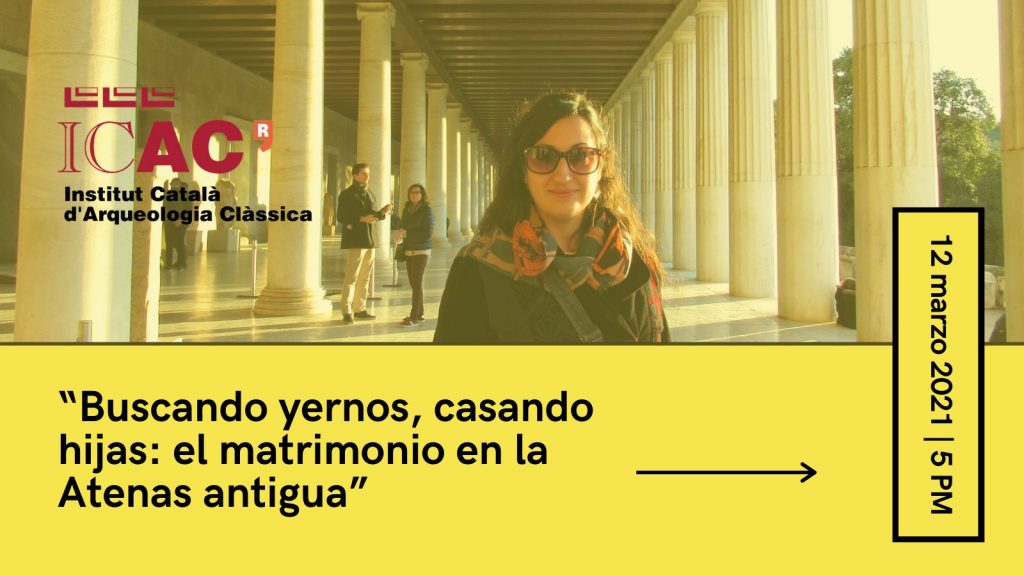
En el marc de la celebració del 8 de març, Dia Internacional de les Dones, el Comitè d’Igualtat de l’ICAC ha organitzat una xerrada divulgativa amb la investigadora Elena Duce, amb qui ens endinsarem a les visions historiogràfiques de les dones a l’antiga Grècia, i en el problema de les fonts, així com en allò que creiem sabut sobre el paper de les dones en relació al matrimoni. El ritus atenenc i el paper que hi tenia la ciutadania han estat temes àmpliament recollits a les bibliografies, però encara és necessària la reflexió al voltant del paper específic de les dones: subjecte passiu però part essencial en les unions matrimonials.
En el marco de la celebración del 8 de marzo, Día Internacional de la Mujer, el Comité de Igualdad del ICAC ha organizado una charla divulgativa con la investigadora Elena Duce, con quien nos adentraremos en las visiones historiográficas de las mujeres en la antigua Grecia, y en el problema de las fuentes, así como en lo que creemos saber sobre el papel de las mujeres en relación al matrimonio. El rito ateniense y el papel que tenía la ciudadanía han estado ampliamente recogidos en las bibliografías, pero todavía es necesaria la reflexión sobre el papel específico de las mujeres: sujeto pasivo pero parte esencial en las uniones matrimoniales.
Solo 30% de los investigadores en el mundo son mujeres y cerca del 30% de todas las estudiantes escogen estudios superiores en el campo de la ciencia.
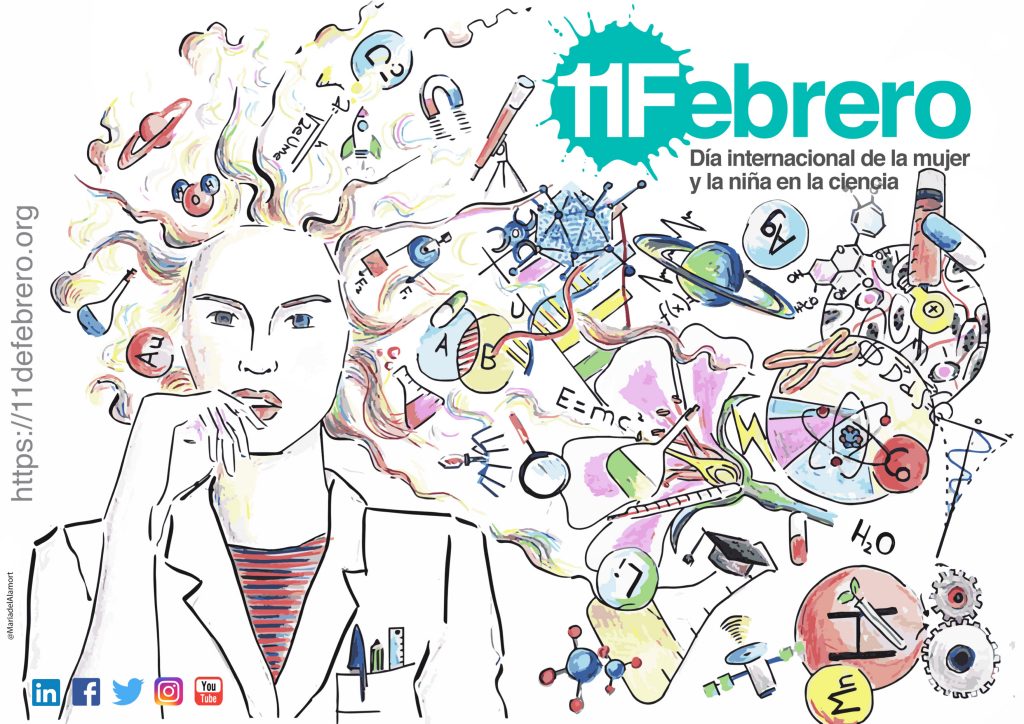
El 11 de febrero es el Día Internacional de la Mujer y la Niña en la Ciencia. La ONU proclamó esta celebración el 15 de diciembre de 2015 en la Asamblea General de las Naciones Unidas y desde entonces se celebra anualmente, con iniciativas distintas alrededor del mundo.
«Para estar a la altura de los desafíos del siglo XXI, necesitamos aprovechar todo nuestro potencial. Ese esfuerzo exige desmontar los estereotipos de género. En este Día Internacional de las Mujeres y las Niñas en la Ciencia, hemos de asumir el compromiso de poner fin al desequilibrio de género en esta disciplina». — Secretario General, António Guterres
La brecha de género en los sectores de la ciencia, la tecnología, la ingeniería y las matemáticas (STEM) persiste desde hace años en todo el mundo. A pesar de que la participación de las mujeres en las carreras de grado superior ha aumentado enormemente, estas todavía se encuentran insuficientemente representadas en estos campos.
En la actualidad, menos del 30 por ciento de los investigadores en todo el mundo son mujeres. Según datos de la UNESCO (entre 2014 y 2016), solo alrededor del 30 por ciento de todas las estudiantes escogen estudios superiores dentro del campo de las ciencias, la tecnología, la ingeniería y matemáticas (STEM).
Históricamente, el papel de la mujer en el campo de la ciencia ha quedado en segundo plano. Con excepciones, el trabajo de las científicas ha sido obviado, ignorado o adjudicado a sus compañeros masculinos. Así lo denunció Matilda Joslyn Gage, la inspiradora de la campaña #NoMoreMatildas. Pero hoy en día aún se hace necesario reivindicar el papel de la mujer en la investigación.
Desde el ICAC damos nuestro apoyo a esta causa colaborando con acciones de sensibilización en las redes sociales, que podéis seguir a través de la cuenta de Twitter del Instituto. A lo largo del día 11F compartiremos contenidos, recursos, propuestas… y, muy especialmente, os presentaremos algunas de nuestras investigadoras.
Una reivindicación del talento femenino que queremos hacer extensiva a todas y a todos, animándoos a hacer vuestras aportaciones y publicar vuestros propios vídeos, utilizando las etiquetas #expertesICAC #Tarragona11F #11F2021 #DonesiCiencia.
— ICAC, Institut Català d’Arqueologia Clàssica (@ICAC_cat) February 11, 2021
La Lídia Colominas és investigadora @GIAP_ICAC i és una #expertaICAC. A través de l’estudi dels ossos dels animals podem incidir en qüestions com la identitat social o les desigualtats en les societats antigues. Impressionant, oi? #Tarragona11F
Entra vídeo: pic.twitter.com/sSdxacDhS2
— ICAC, Institut Català d’Arqueologia Clàssica (@ICAC_cat) February 11, 2021
Només el 30% dels investigadors al món són dones i prop del 30% de totes les estudiants escullen estudis superiors en el camp de la ciència.
L’11 de febrer és el Dia Internacional de la Dona i la Nena en la Ciència. L’ONU va proclamar aquesta celebració el 15 de desembre de 2015 a l’Assemblea General de les Nacions Unides i des de llavors es celebra anualment, amb iniciatives diverses arreu del món.
«Para estar a la altura de los desafíos del siglo XXI, necesitamos aprovechar todo nuestro potencial. Ese esfuerzo exige desmontar los estereotipos de género. En este Día Internacional de las Mujeres y las Niñas en la Ciencia, hemos de asumir el compromiso de poner fin al desequilibrio de género en esta disciplina». — Secretario General, António Guterres
La brecha de género en los sectores de la ciencia, la tecnología, la ingeniería y las matemáticas (STEM) persiste desde hace años en todo el mundo. A pesar de que la participación de las mujeres en las carreras de grado superior ha aumentado enormemente, estas todavía se encuentran insuficientemente representadas en estos campos.
En la actualidad, menos del 30 por ciento de los investigadores en todo el mundo son mujeres. Según datos de la UNESCO (entre 2014 y 2016), solo alrededor del 30 por ciento de todas las estudiantes escogen estudios superiores dentro del campo de las ciencias, la tecnología, la ingeniería y matemáticas (STEM).
Històricament, el paper de la dona en el camp de la ciència ha quedat en segon pla. Amb excepcions, el treball de les científiques ha estat obviat, ignorat o adjudicat als seus companys masculins. Així ho va denunciar Matilda Joslyn Gage, la inspiradora de la campanya #NoMoreMatildas. Però encara avui dia, encara cal reivindicar el paper de la dona en la recerca.
L’ICAC dona el seu suport a aquesta causa col·laborant amb accions de sensibilització a les xarxes socials, que podeu seguir a través del compte de Twitter de l’ICAC. Durant el dia 11F compartirem continguts, recursos, propostes… i, molt especialment, donarem a conèixer algunes de les investigadores de l’Institut.
Una reivindicació del talent femení que volem fer extensiva a totes i a tots, animant-vos a fer les vostres aportacions i publicar els vostres propis vídeos, utilitzant les etiquetes #expertesICAC #Tarragona11F #11F2021 #DonesiCiencia.
— ICAC, Institut Català d’Arqueologia Clàssica (@ICAC_cat) February 11, 2021
La Lídia Colominas és investigadora @GIAP_ICAC i és una #expertaICAC. A través de l’estudi dels ossos dels animals podem incidir en qüestions com la identitat social o les desigualtats en les societats antigues. Impressionant, oi? #Tarragona11F
Entra vídeo: pic.twitter.com/sSdxacDhS2
— ICAC, Institut Català d’Arqueologia Clàssica (@ICAC_cat) February 11, 2021
«To rise to the challenges of the 21st century, we need to harness our full potential. That requires dismantling gender stereotypes. On this International Day of Women and Girls in Science, let’s pledge to end the gender imbalance in science». UN Secretary-General António Guterres
At present, less than 30 per cent of researchers worldwide are women. According to UNESCO data (2014 – 2016), only around 30 per cent of all female students select STEM-related fields in higher education.
Long-standing biases and gender stereotypes are steering girls and women away from science related fields. As in the real world, the world on screen reflects similar biases—the 2015 Gender Bias Without Borders study by the Geena Davis Institute showed that of the onscreen characters with an identifiable STEM job, only 12 per cent were women.
Historically, the role of women in the field of science has been in the background. With exceptions, the work of women scientists has been overlooked, ignored or attributed to their male colleagues. This was denounced by Matilda Joslyn Gage, the inspirer of the #NoMoreMatildas campaign. But today it is still necessary to vindicate the role of women in research.
ICAC wants to support this cause. This year it will be collaborating with awareness-raising actions on social networks, where we will share content, resources, proposals … and, very especially, we will introduce some of our female researchers. Follow us on Twitter!
A vindication of female talent that we want to extend to everyone, encouraging you to make your contributions and publish your own videos, using the hashtags #expertesICAC # Tarragona11F # 11F2021 #DonesiCiencia.
— ICAC, Institut Català d’Arqueologia Clàssica (@ICAC_cat) February 11, 2021
La Lídia Colominas és investigadora @GIAP_ICAC i és una #expertaICAC. A través de l’estudi dels ossos dels animals podem incidir en qüestions com la identitat social o les desigualtats en les societats antigues. Impressionant, oi? #Tarragona11F
Entra vídeo: pic.twitter.com/sSdxacDhS2
— ICAC, Institut Català d’Arqueologia Clàssica (@ICAC_cat) February 11, 2021
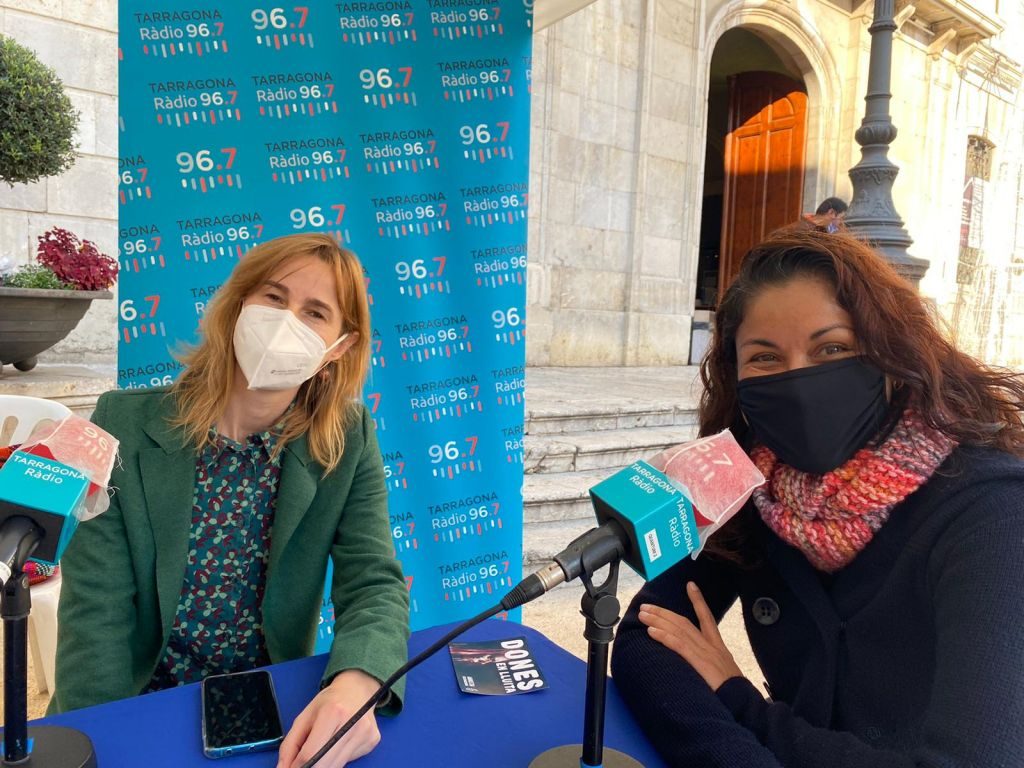
El programa ‘Toquem Pedra‘ es fa ressó del protocol de prevenció i actuació contra l’assetjament laboral per raó de sexe, gènere o diversitat de l’Institut Català d’Arqueologia Clàssica en el seu especial del 25N. Hi participen Lydia Gil i Maura Lerga, representants del Comitè d’Igualtat de l’Institut.
The radio show Toquem pedra (“hands-on with stones” in Catalan) echoes of the protocol for prevention and action against workplace harassment based on sex, gender or diversity of the Catalan Institute of Classical Archaeology in its especial of November 25th. With Lydia Gil and Maura Lerga as representatives of Committe of gender equality of the ICAC.
El programa ‘Toquem Pedra‘ se hace eco del protocolo de prevención y actuación contra el acoso laboral por razón de sexo, género o diversidad del Institut Català d’Arqueologia Clàssica en su especial del 25N. Participan Lydia Gil i Maura Lerga, representantes del Comité de Igualtat del ICAC.
ICAC Equality Committee leads a process for creating a protocol for the prevention, detection, identification and action in situations of sexual harassment at work based on sex, gender or diversity, and other forms of harassment.
This action is included in the ICAC’s Action Plan for Equality (approved by the Board of Directors in 2017) and responds to the ICAC’s will to ensure gender equality and fight against violence and discrimination in both academic and workplace activities.
Thus, it is important to highlight the framework and background of the protocol, which become the starting point of the new initiative that the Institute is now undertaking:
ICAC’s Action Plan 2014-2020 includes the recommendation of having a comprehensive system of Human Resources Management that includes specific measures and instruments for the care and management of diversity. The promotion of equality policies is an ICAC’s strategic objective.
Since 2015, ICAC has had the distinction of Excellence in Human Resources promoted by the Human Resources Strategy for Researchers (HRS4R) of the European Commission. The implementation of its Action Plan, which began in 2017, led to the creation of the ICAC Equality Committee, the subsequent approval of the Action Plan for gender equality, and the implementation of the actions and measures included. One of them, the development of a protocol for the prevention, identification and action against violence and workplace harassment, based on sex, gender or diversity.
The protocol has a multipurpose perspective, which includes detection, prevention and definition of actions.
ICAC’s development process of the protocol for the prevention, identification and action against violence and sexual harassment at work has two fundamental dimensions:
Training dimension. Focused on members of the ICAC’s Equality Committee. But also with the engagement of other people relevant for the process, such as those responsible for human resources management. Thus, the group involved in the training process is diversified and results can be transferred to the entire organization.
Training stage addresses the theoretical understanding of what is harassment, sexual harassment and sexual harassment in the work environment; in addition to other forms of harassment.
Training is not only aimed at obtaining practical resources for the protocol drafting, but also at strengthening the design of the necessary stages after the document is ready: implementation, application and dissemination of the protocol in the workplace.
The protocol is a tool that comes to improve and qualify the work environment.
Practical dimension: drafting, writing, elaboration and approval of the protocol. The process does not end with the writing of the document, but must be put into practice in the ICAC. Once the protocol is approved, a process of approximately one year will be opened to see how the protocol is implemented, how it acts if it occurs any situation of harassment and, above all, if it can provide useful tools for prevention.
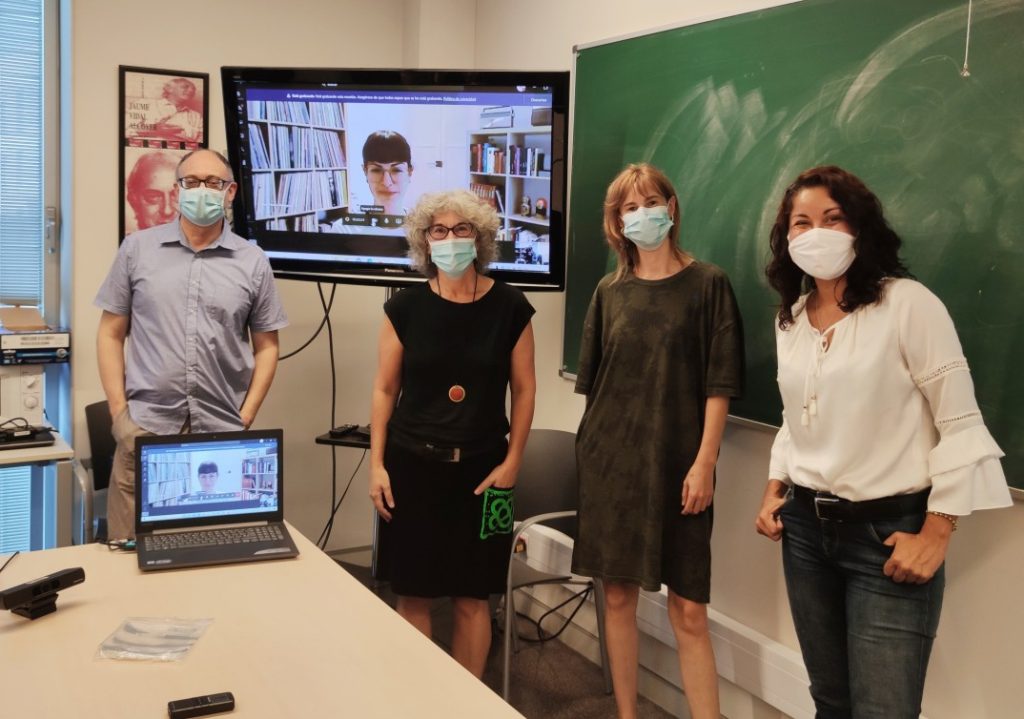
Elena Apilánez, external trainer for the ICAC’s protocol development, during the first training session of the process. Photo: ICAC
Practical dimension addresses the usage and implementation of the protocol, which wants to stress special emphasis on prevention and the assumption of the new resource by all ICAC community.
Expert support for the training and design process is being led by Elena Apilánez (@elenaap1967), graduated in pedagogy, with a long professional experience linked to international cooperation and a broad academic career focused on the study of the feminist movement.
She is currently developing a doctoral thesis project at the Rovira i Virgili University on the role of the de-patriarchalization in the Bolivian social change. In addition to research, she is professionally dedicated to counselling and training in feminist studies, sexist and patriarchal violence.
The protocol development process has an expected duration of three months, so the document will be ready in December.
The training stage will be developed in four sessions and will include theoretical content on harassment, legal international and national framework, prevention measures or identification of sexist behaviours and attitudes, among other contents.
Further stages will be to advise and design the protocol, from which the ICAC Equality Committee will draft a document proposal and will extend it to the ICAC community.
To achieve a transparent and joined result, some workingsessions will be held for the presentation and validation of the protocol within the ICAC community (research staff, research support staff, direction and management, etc.), before submitting the document to the assessment and approval of the ICAC’s Board of Directors.
The protocol is multidimensional: focus and added value are on prevention, to improve the quality and the research and work environment in all the areas where acts the ICAC.
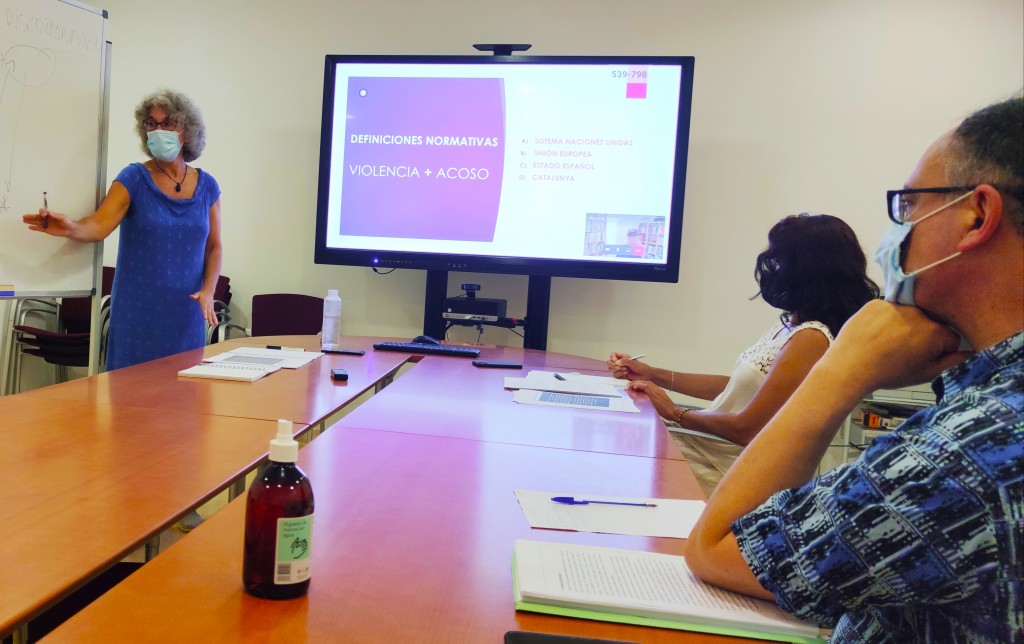
ICAC Equality Committee with Elena Apilánez, in a training session. Photo: ICAC
Which particularities face the ICAC in the protocol drafting process? Elena Apilánez highlights the complex institutional character of the Institute since it is a public research centre linked to both the Generalitat de Catalunya and the Rovira i Virgili University (URV), with the participation of Inter-University Council of Catalonia (CIC) and the adhesion to entities such as the CERCA Institution. This complex panorama of institutional references is, in fact, a strength that gives special power and coverage to the protocol.
On the other hand, Apilánez also remarks the diversity of spaces and activities in which acts the ICAC, an issue that can make more complex the design of the protocol: the activity that the ICAC is not limited to a particular physical space, but there are actions carried out outside the workplace itself (archaeological excavations and prospection, conferences…). The physical space multiplies.
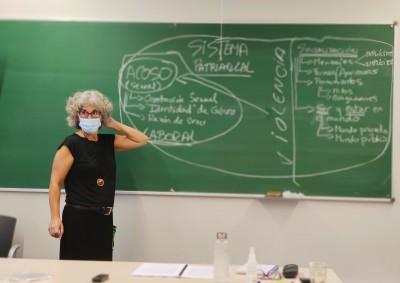
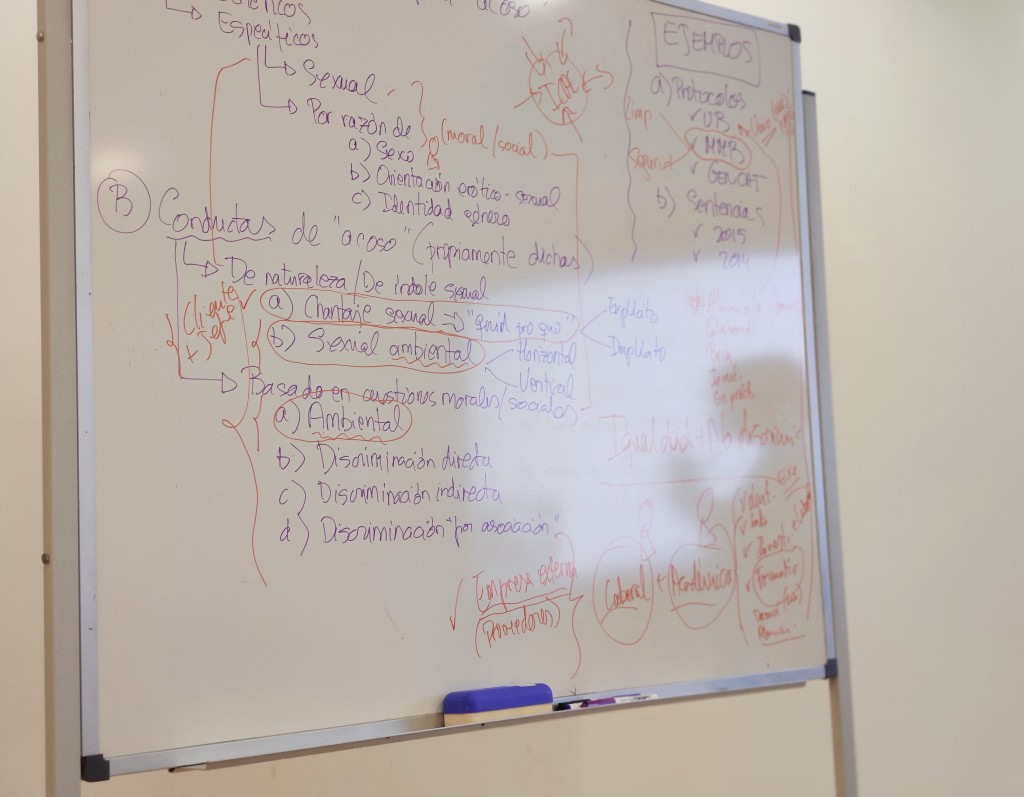
Whiteboard screenshot during a training session for the protocol development. Photo: ICAC
Besides, research activity involves the participation of different groups of people (research staff –from different categories and affiliations–, management staff, research support staff, external services…), who at the same time work in different fields of action, such as research, teaching or dissemination.
This complexity must be solved with a clear definition of the action object of the protocol, which is done through the professional bond of the people with the Institute, and with an optimal identification of situations, spaces, behaviours and measures.
ICAC Equality Committee and the Institute’s Direction are very happy to carry out this initiative and hope to obtain the best possible result. The Equality Committee will ensure that the process is transparent and joined by all ICAC community. We will keep you updated!